
Imagine stepping into your home on a sweltering summer day, feeling the cool breeze of perfectly conditioned air envelop you, and knowing that your HVAC system is working seamlessly to keep you comfortable. This is the ultimate goal of any homeowner in Santa Ana, where the sun beats down relentlessly. A well-designed HVAC system is the key to achieving this level of comfort.
Your home's unique layout, insulation, and windows all play a crucial role in determining the ideal HVAC design, and getting it right can be the difference between a refreshing oasis and a sweltering nightmare. The right design can also have a significant impact on your energy bills and the longevity of your system. As you consider your options for HVAC design in Santa Ana, it's essential to think about what you really want from your system.
So what does it take to create an HVAC system that truly delivers unparalleled comfort and performance, and how can you ensure that your system is tailored to your specific needs and budget - let's take a closer look at the process and benefits of a well-planned HVAC design.
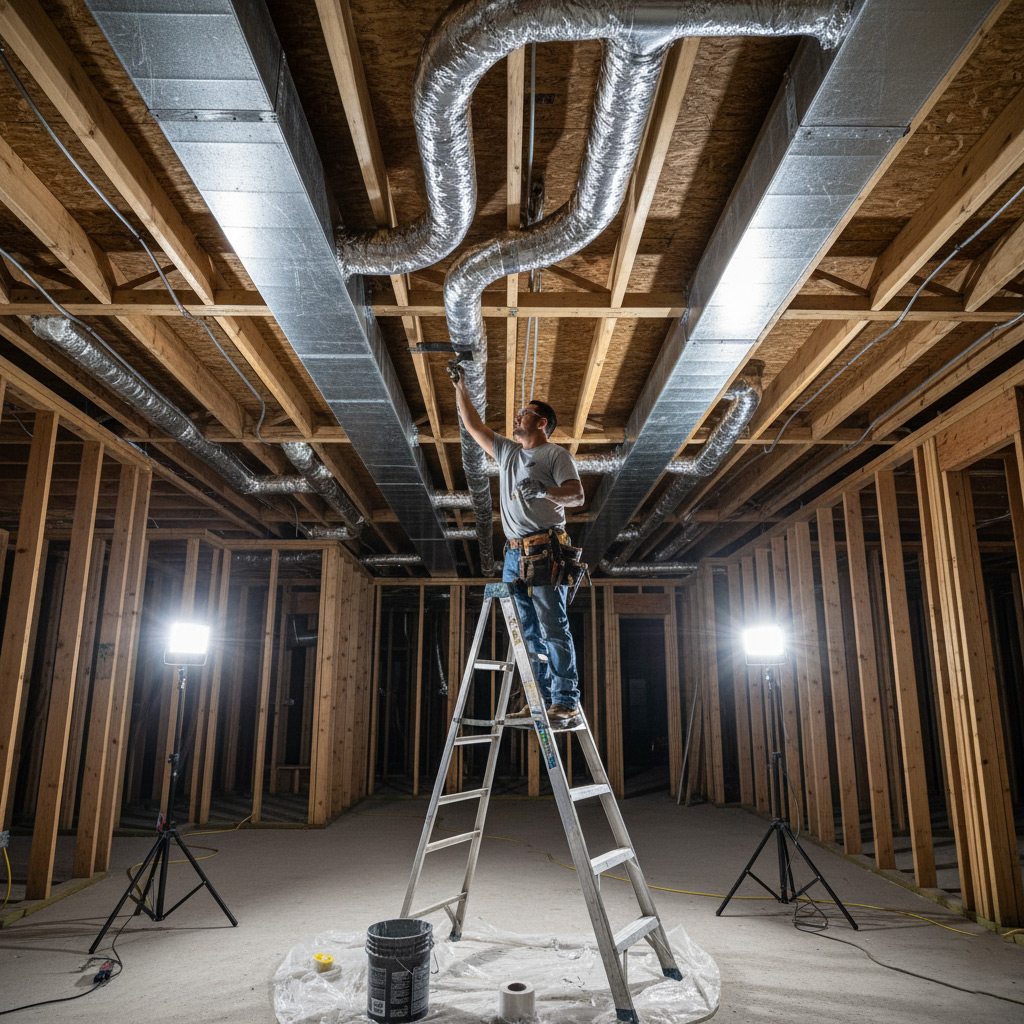
Understanding the Fundamentals of HVAC System Design
A well-designed HVAC system is built on a foundation of solid principles, including a thorough understanding of thermodynamics and psychrometrics. This knowledge allows designers to create systems that effectively control temperature, humidity, and airflow. By grasping these fundamental concepts, homeowners can better appreciate the complexity of their HVAC system.
When it comes to HVAC system design, there are several key factors to consider, including:
- Airflow and ductwork design
- Load calculation to determine the system's capacity
- Equipment selection and sizing
A good HVAC system design also takes into account the unique characteristics of the home, such as its size, layout, and insulation. By considering these factors, designers can create a system that is tailored to the specific needs of the home, rather than relying on a one-size-fits-all approach. This approach helps to ensure that the system operates effectively and efficiently, providing consistent comfort and reliable performance.
Assessing Your Home's Unique Needs for Optimal HVAC Performance
Your home is a one-of-a-kind structure, with its own set of characteristics that affect how it interacts with the outside environment. To design an effective HVAC system, you need to consider factors like the orientation of your home, the type and quality of insulation, and the number and type of windows.
A thorough assessment of your home's needs will involve evaluating its thermal envelope, which includes the walls, floors, ceilings, and windows. This will help identify areas where heat gain or heat loss is occurring, and determine the best strategies for mitigating these effects. Some key factors to consider include:
- The amount of direct sunlight your home receives
- The type and quality of shading devices, such as awnings or trees
- The color and material of your roof, which can affect its ability to absorb or reflect heat
By taking a holistic approach to assessing your home's needs, you can create an HVAC system that is tailored to its unique characteristics. This might involve installing zone control systems to regulate temperature in different parts of the home, or using smart thermostats to optimize heating and cooling based on your schedule and preferences. The goal is to create a system that provides consistent comfort while also minimizing energy waste.
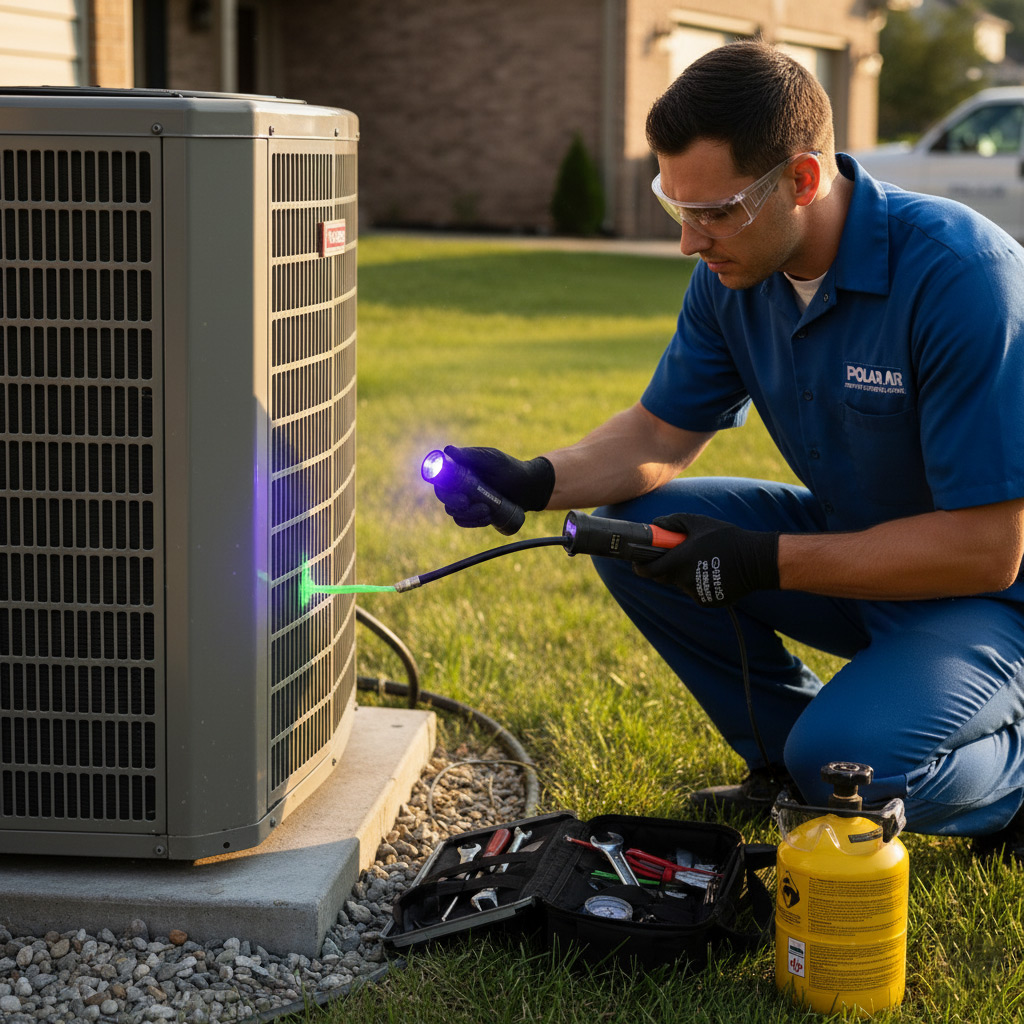
The Importance of Load Calculation and Ductwork Design in HVAC Systems
A well-designed HVAC system starts with a thorough load calculation, which takes into account the unique characteristics of your home, including its size, insulation, windows, and occupancy. This calculation helps determine the right size and type of equipment needed to heat and cool your home effectively. A manual J load calculation is the most accurate method, as it considers all the factors that affect your home's heating and cooling needs.
When it comes to ductwork design, there are several key factors to consider, including:
- Airflow: ensuring that the ducts are properly sized to deliver the right amount of air to each room
- Insulation: making sure the ducts are well-insulated to prevent heat loss and gain
- Layout: designing the ductwork to minimize bends and kinks, which can restrict airflow
A poorly designed ductwork system can lead to a range of problems, including reduced airflow, increased energy bills, and even equipment failure. On the other hand, a well-designed system can help to extend the life of your equipment, reduce maintenance costs, and provide a more comfortable indoor environment. By investing in a thorough load calculation and ductwork design, you can ensure that your HVAC system is working at its best.
A Case Study: Successful HVAC Design and Installation in a Santa Ana Home
A recent project in Santa Ana showcased the importance of a well-designed HVAC system. The homeowner, a family of four, wanted to replace their outdated system with a new one that would provide consistent cooling and heating throughout their two-story home. They also wanted to reduce their energy bills and minimize their carbon footprint.
The
initial assessment
revealed that the home's insulation was inadequate, and the windows were old and leaky. To address these issues, our team recommended upgrading the insulation and replacing the windows with energy-efficient ones. We also designed a new ductwork system that would maximize airflow and minimize energy losses.Some key features of the new system included:
- A high-efficiency air conditioner with a SEER rating of 20
- A variable-speed furnace that could adjust its output to match the home's heating needs
- A smart thermostat that could learn the family's schedule and preferences to optimize energy usage
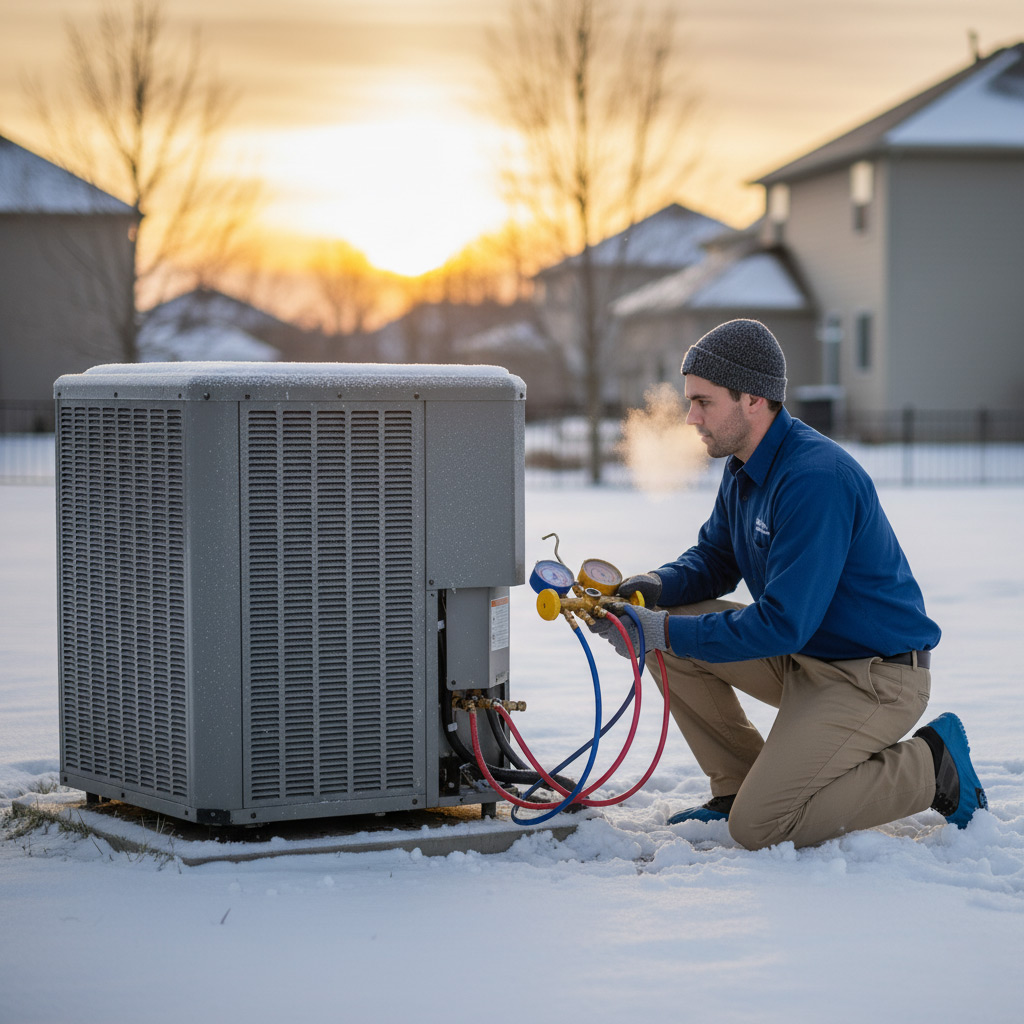
Choosing the Right Equipment and Components for Your HVAC System
When it comes to selecting the perfect equipment and components for your HVAC system, precision is key. You want to ensure that every part works in harmony to provide optimal performance, reliability, and energy savings. A good starting point is to consider the size and type of equipment that suits your home's unique needs.
Key Considerations
Some essential factors to consider when choosing equipment include:- Airflow and ventilation requirements
- Heating and cooling capacity
- Moisture control and humidity levels
It's also crucial to select components that are compatible with each other and designed to work together seamlessly. This includes thermostats, air handlers, and ductwork, which all play a vital role in the overall performance of your HVAC system. By choosing the right equipment and components, you can maximize your system's potential and enjoy a comfortable and healthy indoor environment.
Implementing Energy-Efficient Strategies in Your HVAC Design
When it comes to designing an HVAC system, energy efficiency is a top priority for many homeowners in Santa Ana. Not only can it help reduce your carbon footprint, but it can also lead to significant savings on your energy bills. By incorporating energy-efficient strategies into your HVAC design, you can create a system that is both cost-effective and environmentally friendly.
A well-designed HVAC system can take advantage of natural cooling and heating methods, such as shading and insulation, to reduce the need for mechanical cooling and heating. Some key strategies to consider include:
- Installing high-efficiency HVAC equipment, such as air conditioners and furnaces with high SEER and AFUE ratings
- Using smart thermostats to optimize temperature control and scheduling
- Sealing air leaks and adding insulation to prevent heat gain and loss
By incorporating these strategies into your HVAC design, you can create a system that is not only energy-efficient but also provides optimal comfort and performance. For example, a zoned HVAC system can allow you to control the temperature in different areas of your home, reducing waste and saving energy. This can be especially useful in larger homes or homes with multiple levels, where a single thermostat may not be able to effectively control the temperature throughout the entire space.
Final Words: Bringing Your Ideal HVAC Design to Life in Santa Ana
To bring your ideal HVAC design to life, it's crucial to work with a reputable and experienced HVAC company in Santa Ana. A company that understands the intricacies of HVAC System Design and can guide you through the process. They will assess your home's unique needs and provide a customized solution that meets your comfort and budget requirements.
A well-designed HVAC system is not just about installing the right equipment, it's about creating a comfortable living space that enhances your overall quality of life. Consider the following key factors when bringing your design to life:
- Proper installation to ensure your system operates at peak performance
- Regular maintenance to prevent breakdowns and extend the lifespan of your system
- Energy-efficient strategies to reduce your energy bills and environmental impact
By prioritizing these factors and working with a trusted HVAC company, you can enjoy a seamless and comfortable indoor experience all year round. Your home will be a haven of comfort where you can relax and unwind, no matter the weather outside. With a well-designed HVAC system, you'll be able to enjoy the perfect temperature, humidity, and air quality, making your home a true oasis in the heart of Santa Ana.
People Also Ask
What is the importance of HVAC design in Santa Ana homes?
Proper HVAC design is crucial for achieving optimal home comfort and energy efficiency in Santa Ana homes. A well-designed system ensures that the home is heated and cooled evenly, reducing hot and cold spots. This also helps to minimize energy consumption and lower utility bills.How do I determine the right size of HVAC system for my Santa Ana home?
To determine the right size of HVAC system for your Santa Ana home, it's essential to conduct a load calculation, which takes into account factors such as the home's square footage, insulation, and window orientation. This calculation helps to ensure that the system is not too small or too large for the home. A professional HVAC designer can perform this calculation to recommend the ideal system size.Can a poorly designed HVAC system increase my energy bills?
Yes, a poorly designed HVAC system can significantly increase your energy bills in Santa Ana. A system that is not designed to meet the specific needs of your home can lead to inefficient heating and cooling, resulting in higher energy consumption and costs. A well-designed system, on the other hand, can help to minimize energy waste and reduce your utility bills.What are the benefits of energy-efficient HVAC design in Santa Ana homes?
Energy-efficient HVAC design in Santa Ana homes offers several benefits, including reduced energy consumption, lower utility bills, and a smaller carbon footprint. Energy-efficient systems also tend to be more reliable and require less maintenance, which can help to extend their lifespan. Additionally, energy-efficient design can also improve indoor air quality and enhance overall home comfort.How often should I have my HVAC system inspected and maintained in Santa Ana?
It's recommended to have your HVAC system inspected and maintained at least once a year in Santa Ana, preferably before the peak heating and cooling seasons. Regular maintenance helps to ensure that the system is operating efficiently and effectively, and can help to identify potential issues before they become major problems. A professional HVAC technician can perform routine maintenance tasks, such as filter cleaning and coil inspection, to keep your system running smoothly.
Santa Ana HVAC is a trusted provider of heating and cooling solutions, serving the Santa Ana community with expertise and reliability. With years of experience in the industry, their team is well-versed in addressing the unique HVAC needs of local homes and businesses. Santa Ana HVAC is dedicated to delivering high-quality services tailored to the specific climate and comfort requirements of Santa Ana, CA residents.
Need HVAC?
We deliver rapid, tangible outcomes through efficient service for businesses and residents across Santa Ana and nearby areas (92701, 92703, 92705, 92780, 92867).
Instant Estimate